Koli Pade (Kori Katta)
A village contest woven into the festivals and ritual life of the coast.
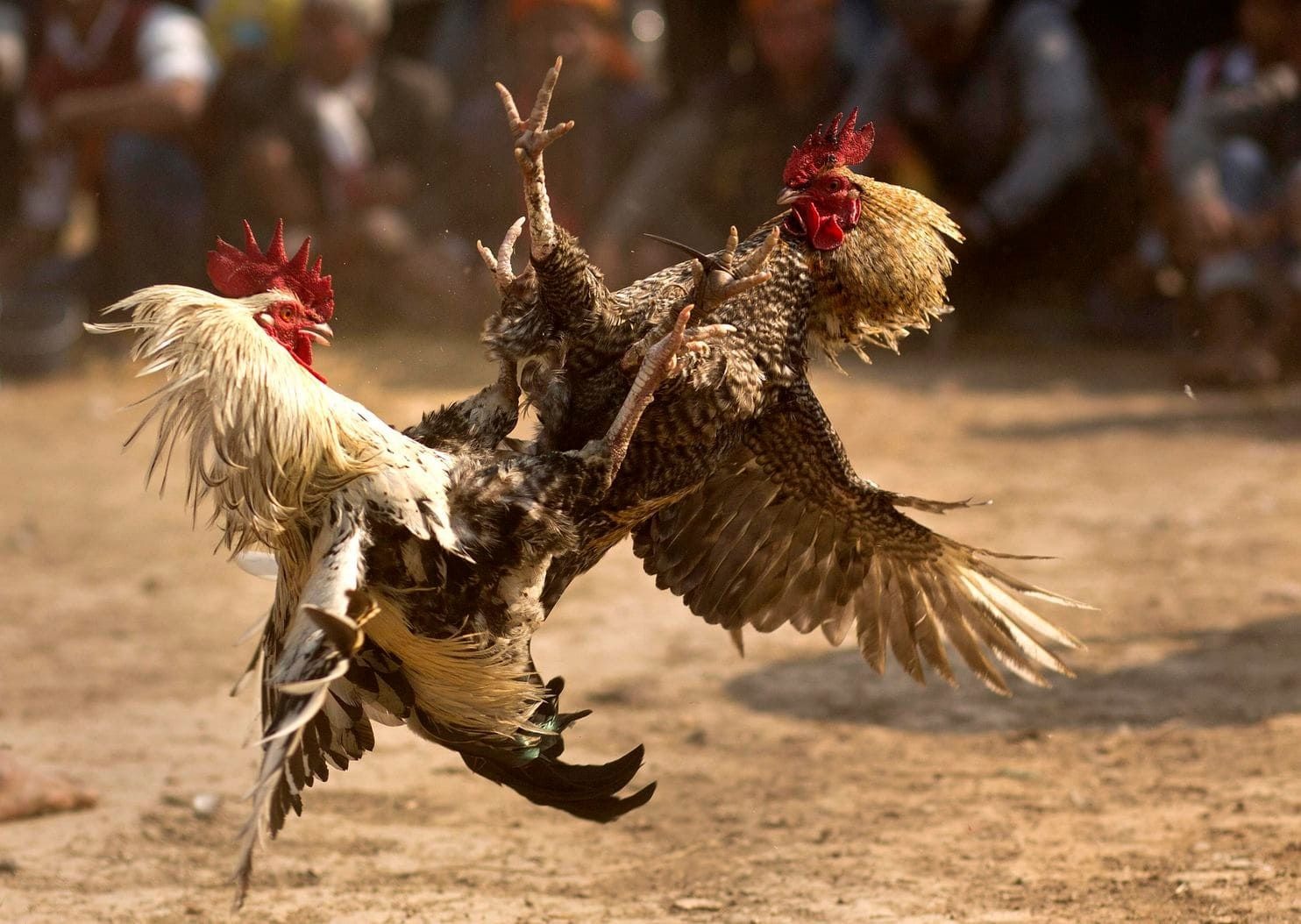
Koli Pade, also known as Kori Katta, is a traditional rural sport associated with the cultural life of coastal Karnataka. For generations, specially bred roosters have been raised and trained for participation in organised contests, a tradition historically connected with temple festivals, village celebrations, Daiva worship and community gatherings. More than a contest between birds, it was a social occasion that drew the village together.
An article about a cultural tradition.
This page documents Koli Pade as part of the cultural history of Kundapura. The practice is today the subject of legal and ethical debate over animal welfare and gambling, discussed in the final section, and it faces legal restrictions in various contexts.
Historical background
Contests between roosters have existed in many parts of the world, but Koli Pade developed its own distinctive identity within the cultural traditions of coastal Karnataka. Historically, these contests were organised during the great gatherings of the rural calendar, when whole communities came together for worship and celebration.
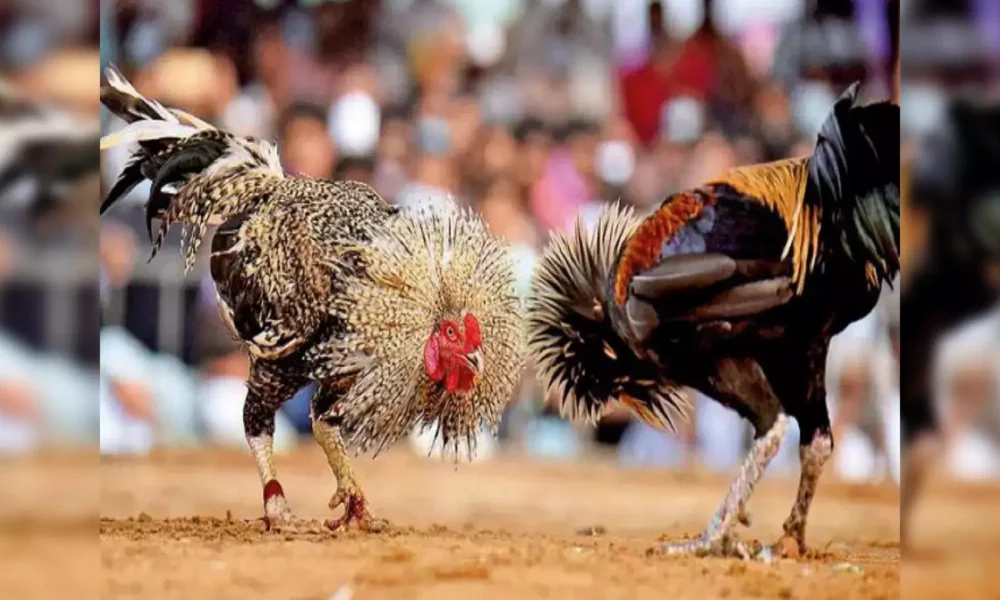
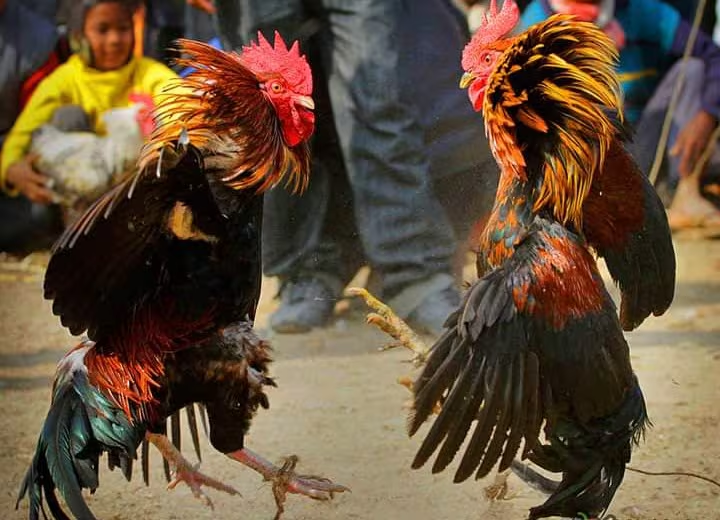
The birds selected for competition were often carefully bred and maintained by enthusiasts who took great pride in their animals, raising and conditioning them through the year for the festival season.
Organisation of the contest
Traditional Koli Pade followed a structured system. Roosters were matched against one another to ensure fairness between competitors, and owners spent considerable time training and caring for their birds before competitions. Historically, participation was regarded as a matter of prestige and community reputation.
| Roosters were matched by | |
|---|---|
| Weight | Birds of comparable weight were paired for a fair contest. |
| Size | Matching of physical build between competitors. |
| Strength | An assessment of the bird's condition and power. |
| Breed characteristics | The qualities of the carefully maintained game breeds. |
Cultural and religious connections
One of the reasons Koli Pade became so deeply rooted in coastal Karnataka is its association with local religious and cultural practices. The contests were frequently organised alongside the most important ritual events of the village year, and in some communities roosters were associated with symbolic offerings and ritual practices connected with guardian spirits and local deities.
The jatra calendar
Contests were timed to the annual temple fairs that gathered the village.
Daiva worship
Held alongside the spirit rituals of the coast, tied to the guardian Daivas. More →
Household occasions
Organised at family ceremonies and gatherings through the year.
Agricultural celebrations
Part of the harvest and seasonal celebrations of rural life.
Koli Pade in Kundapura culture
In Kundapura, Koli Pade has traditionally been viewed as part of rural heritage. The sport became a social gathering where people met, exchanged news, celebrated festivals and reinforced community relationships. For many older generations, memories of village festivals are inseparable from Koli Pade competitions, and the tradition remains a subject of cultural pride among many communities despite changing legal and social perspectives.
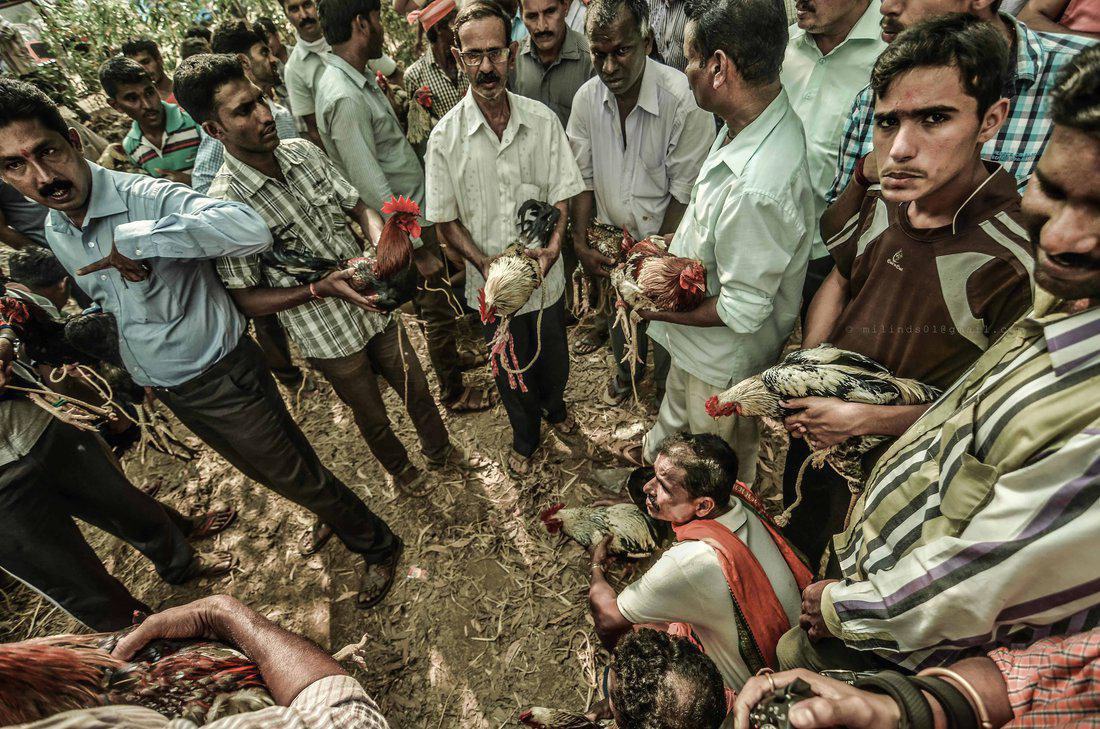 A gathering of the village
Contemporary debate
In modern times, Koli Pade has become the subject of legal and ethical discussion because of concerns regarding animal welfare and gambling. As a result, the practice faces legal restrictions in various contexts. Supporters, however, often argue that the tradition forms an important part of the cultural heritage of coastal Karnataka and should be understood within its historical and social context. This encyclopedia documents the custom as a part of that heritage, while recognising the genuine concerns and legal questions that surround it today.
A chapter of rural heritage
Like Kambala, Koli Pade emerged from the agrarian lifestyle of coastal Karnataka, reflecting its agricultural traditions, village organisation, community participation and rural identity. For centuries these activities provided entertainment, social interaction and opportunities for communities to celebrate a collective identity. Although modern society continues to debate aspects of the tradition, its historical importance within Kundapura's cultural heritage remains a real part of the region's story.
References & notes
- Compiled report: "Kambala and Koli Pade, Traditional Rural Sports of Kundapura."
- Folk and ritual traditions of Tulu Nadu and coastal Karnataka.
Photographs were contributed by residents and visitors documenting village life, and are used for educational and cultural reference, not for commercial purposes. This article describes a traditional custom and does not endorse any practice that is subject to legal restriction.